
Our AP-4® Rosa canina single variety is cultivated on certified organic plantations in Southern Chile, a region selected for its distinctive seasonal climate, dry ripening conditions and geographical setting.
Explore the Growing Region ↓Positioned between the cold Pacific and the Andes, Southern Chile moves through a distinctive daily rhythm: clear, sun-filled days followed by markedly cooler nights. This contrast supports slow, even ripening as AP-4® rosehips reach maturity.
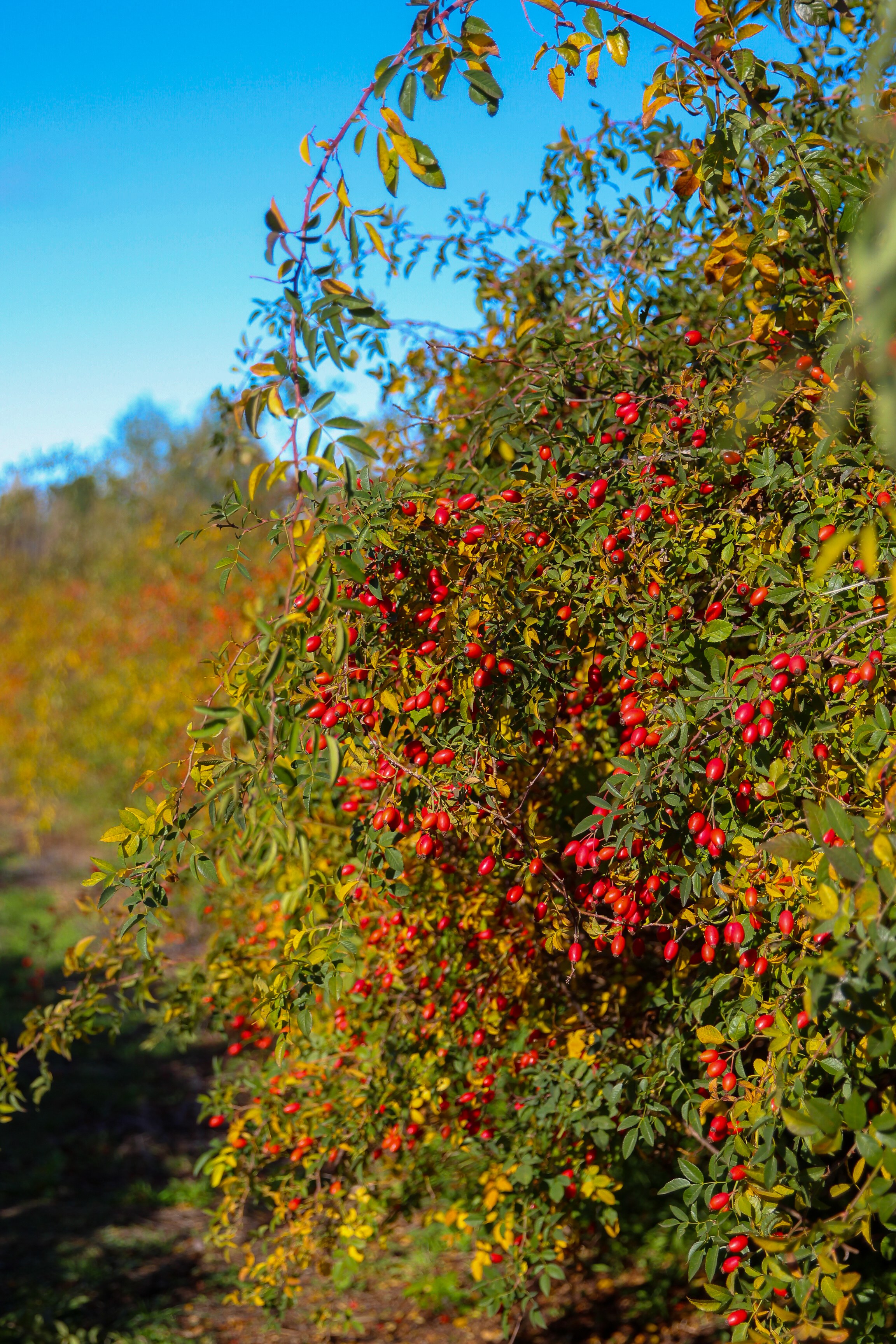
Clear skies and long daylight hours support steady development throughout the ripening season.
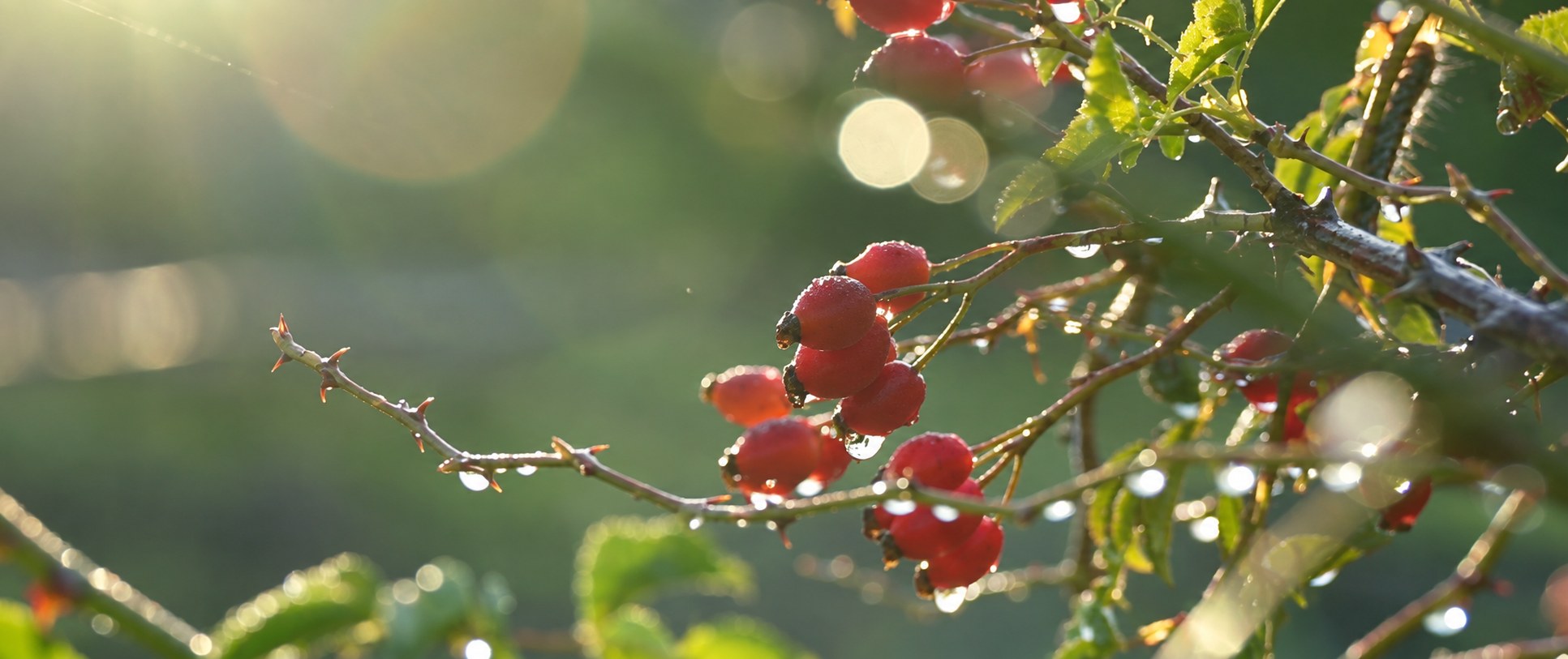
Temperatures fall after sunset, creating a pronounced contrast with the warmth of the day.

Cold Pacific air, the Andes and a comparatively dry late-summer harvest window create the distinctive setting in which AP-4® is cultivated.
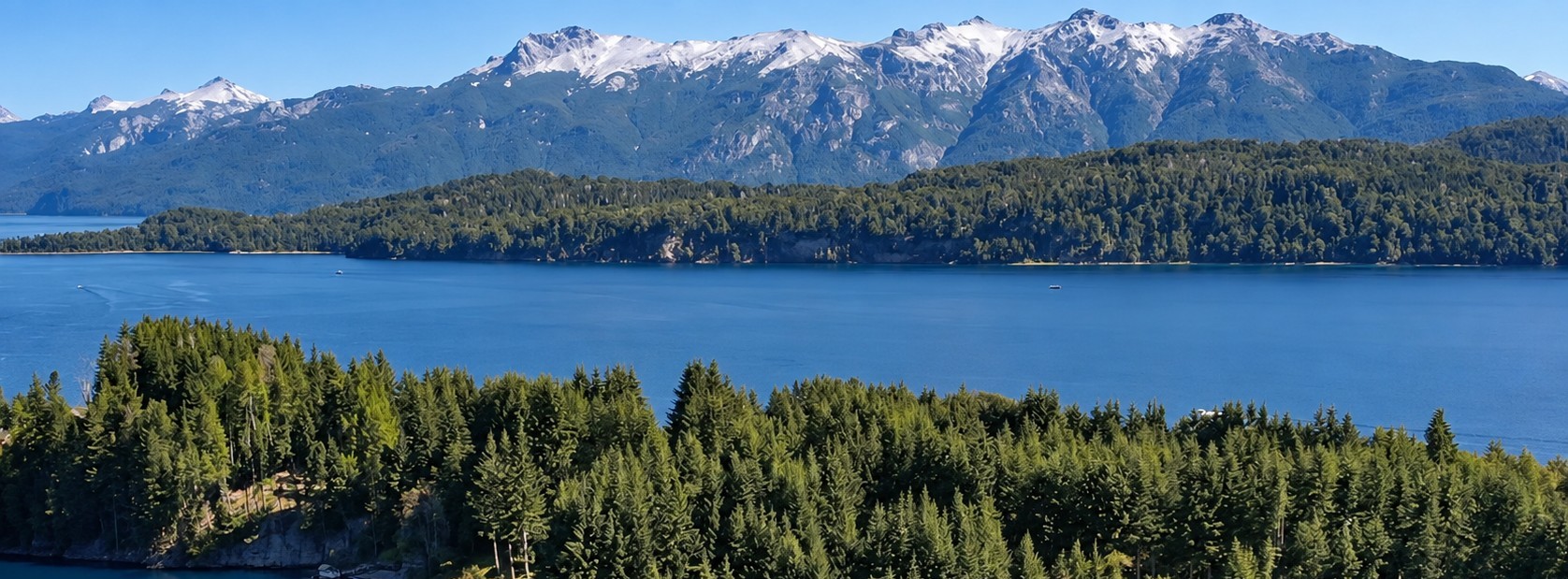
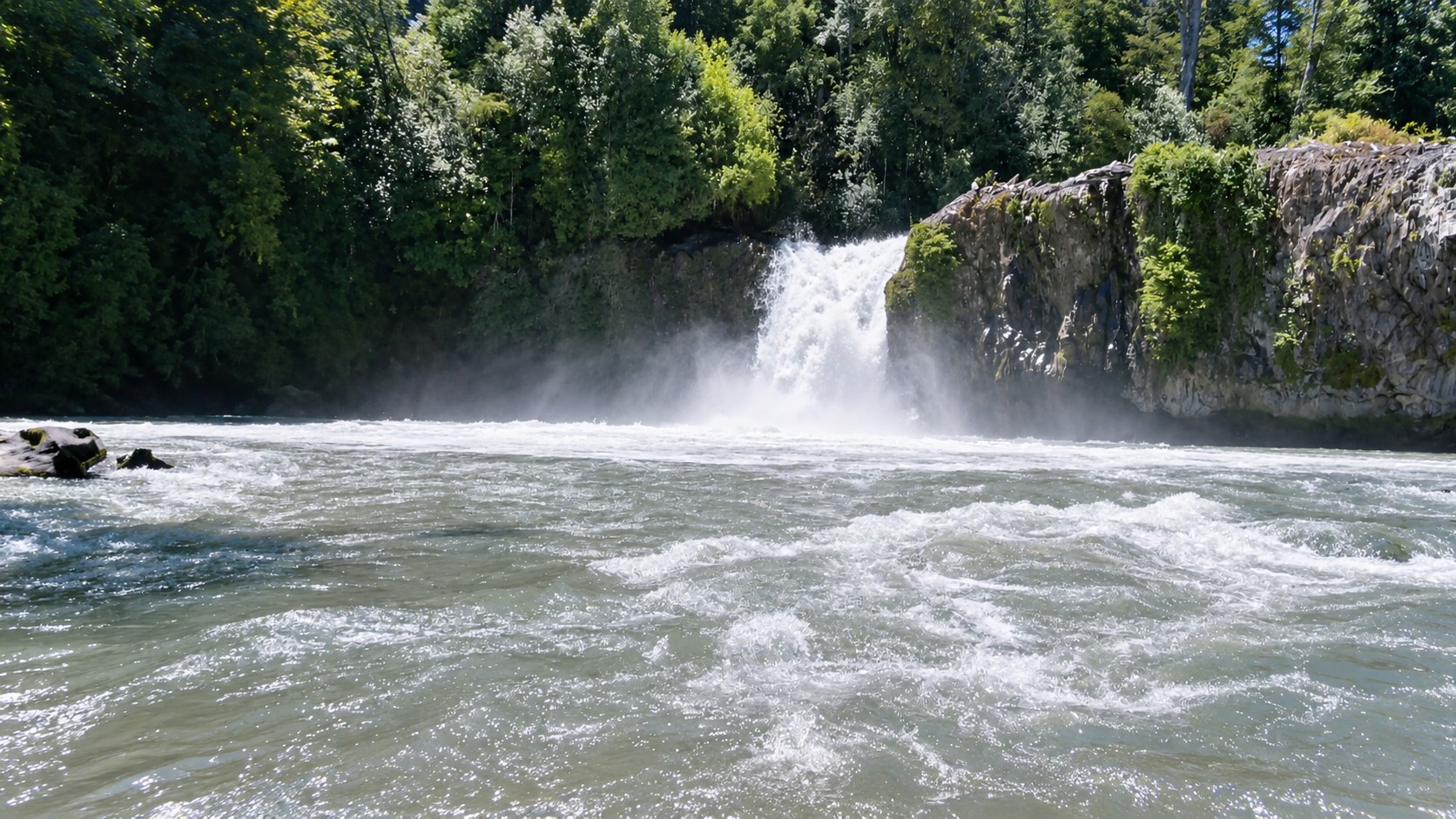
Cold Pacific air moves inland and meets the Andes, contributing to cooler nights, seasonal rainfall and a comparatively dry late-summer ripening period.
Cold Pacific air moves inland and meets the Andes, contributing to cooler nights, seasonal rainfall and a comparatively dry late-summer ripening period.
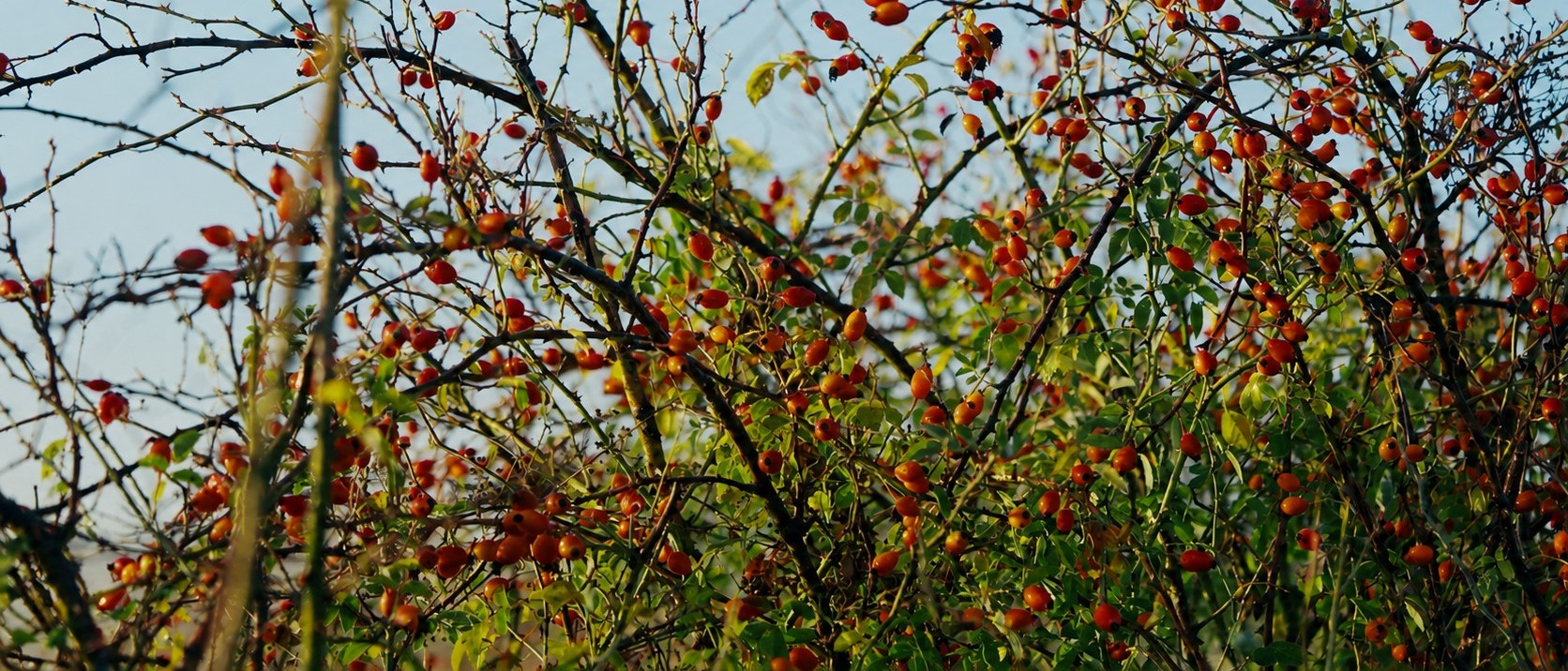
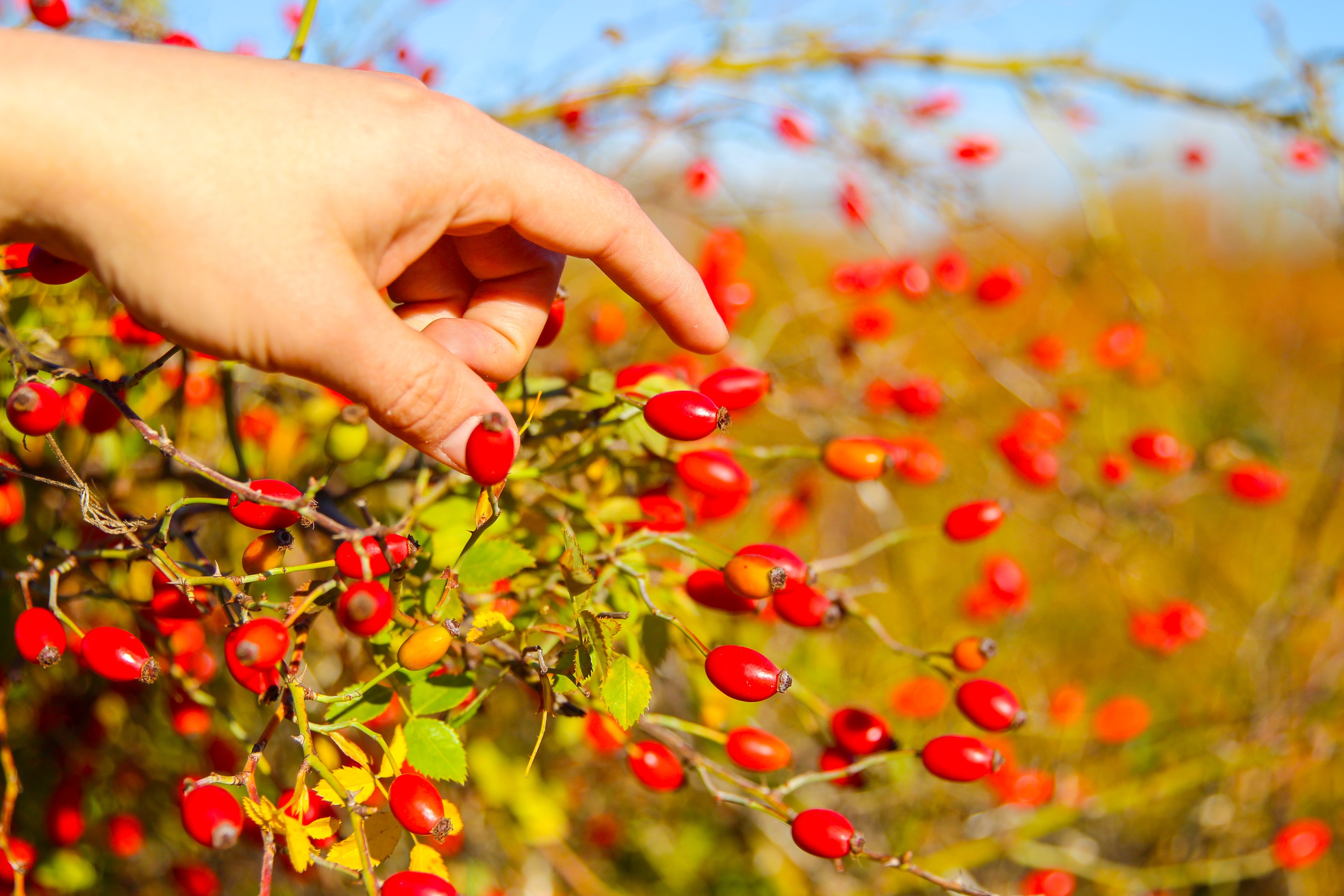
The same daily swing between sun and cooler night air that marks this region is what concentrates polyphenols and vitamin C in the fruit naturally.
That nightly cooling slows the fruit down again after each warm day, giving it a steadier, more even ripening than a uniformly hot climate would.
Comparatively dry late-summer conditions support controlled ripening and harvesting.
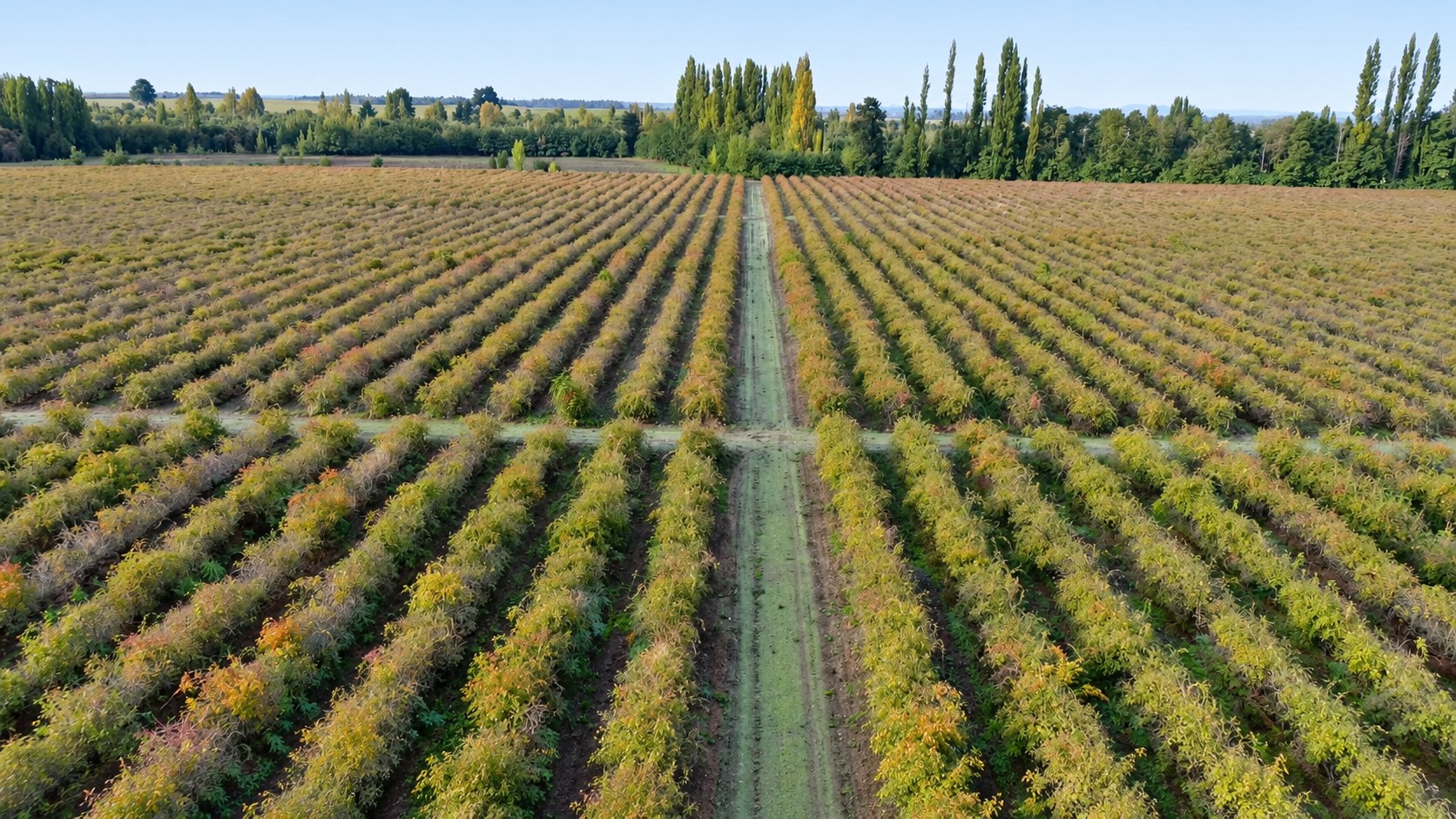
AP-4® rosehips are propagated and cultivated in defined plantation rows rather than gathered from wild-growing plants. This allows the crop to be managed through establishment, growth and ripening under documented conditions.
Propagated and grown in defined plantation rows.
Young plants are supported with irrigation during establishment and growth.
Rosehips are picked by hand at peak ripeness, row by row, rather than machine-stripped all at once.
From selected plant material to the finished batch, AP-4® is cultivated, processed and documented through a defined system.
The same selected and propagated, DNA barcoding verified Rosa canina AP-4® single variety.
Managed on independently certified organic plantations under defined cultivation practices.
Harvested at defined maturity and gently dried using standardised production procedures.
Every batch is linked to the plantation and harvest date behind it.
Want to see how the AP-4® standard continues beyond cultivation?
Prefer to speak with us? Call +45 22 54 58 07