
A publicly accessible ITS2 sequence for the selected Rosa canina AP-4® variety is recorded in GenBank under accession OP737785.1. The record provides a documented reference that can be used for sequence comparison and species-level identity confirmation.
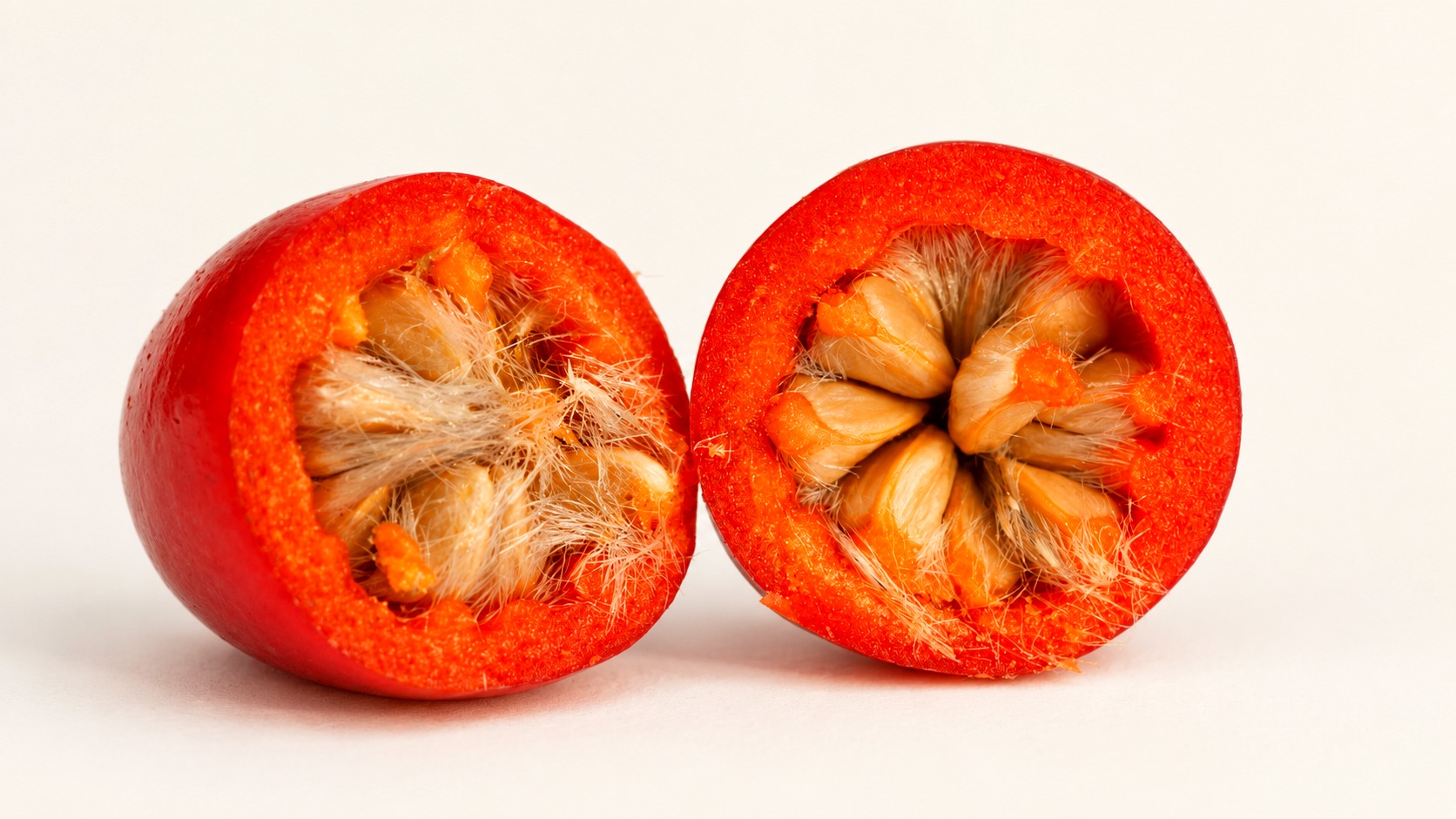
The ITS2 reference supports identification at species level. AP-4® variety-specific identification uses a separate targeted primer method.
1 cgagggcacg tctgcctggg cgtcacacgt cgttgccccc ccccaacccc ctcggaattt
The ITS2 barcode creates a documented species-level reference against which future plant-material samples can be compared.
DNA is extracted from authenticated AP-4® plant material to create the reference, or from a test sample for subsequent comparison.
The ITS2 region is amplified and sequenced, creating a DNA barcode that supports identification of Rosa canina relative to other Rosa species.
The resulting sequence can be compared with the public GenBank record to support species-level identity confirmation.
ITS2 supports identification at species level. Distinguishing AP-4® from other Rosa canina material requires the separate AP-4®-specific primer method developed by SUKO Nordic. When used with qPCR, this targeted method can support identification and quantification of AP-4® DNA in suitable samples.
Dr Monica Takamiya Wik and Dr Peter Kristoffersen, both PhDs in plant molecular biology, wanted a documented method for confirming the plant identity behind AP-4®. Because rosehip genetics are unusually complex, establishing a suitable DNA reference required a carefully selected genetic region and authenticated AP-4® plant material.
Drawing on published research into Rosa genetics, they selected the ITS2 region and led the sequencing of authenticated AP-4® material. The resulting sequence was submitted to NCBI GenBank under accession OP737785.1, creating a publicly accessible Rosa canina reference that can be consulted and compared beyond SUKO Nordic’s own internal quality system.
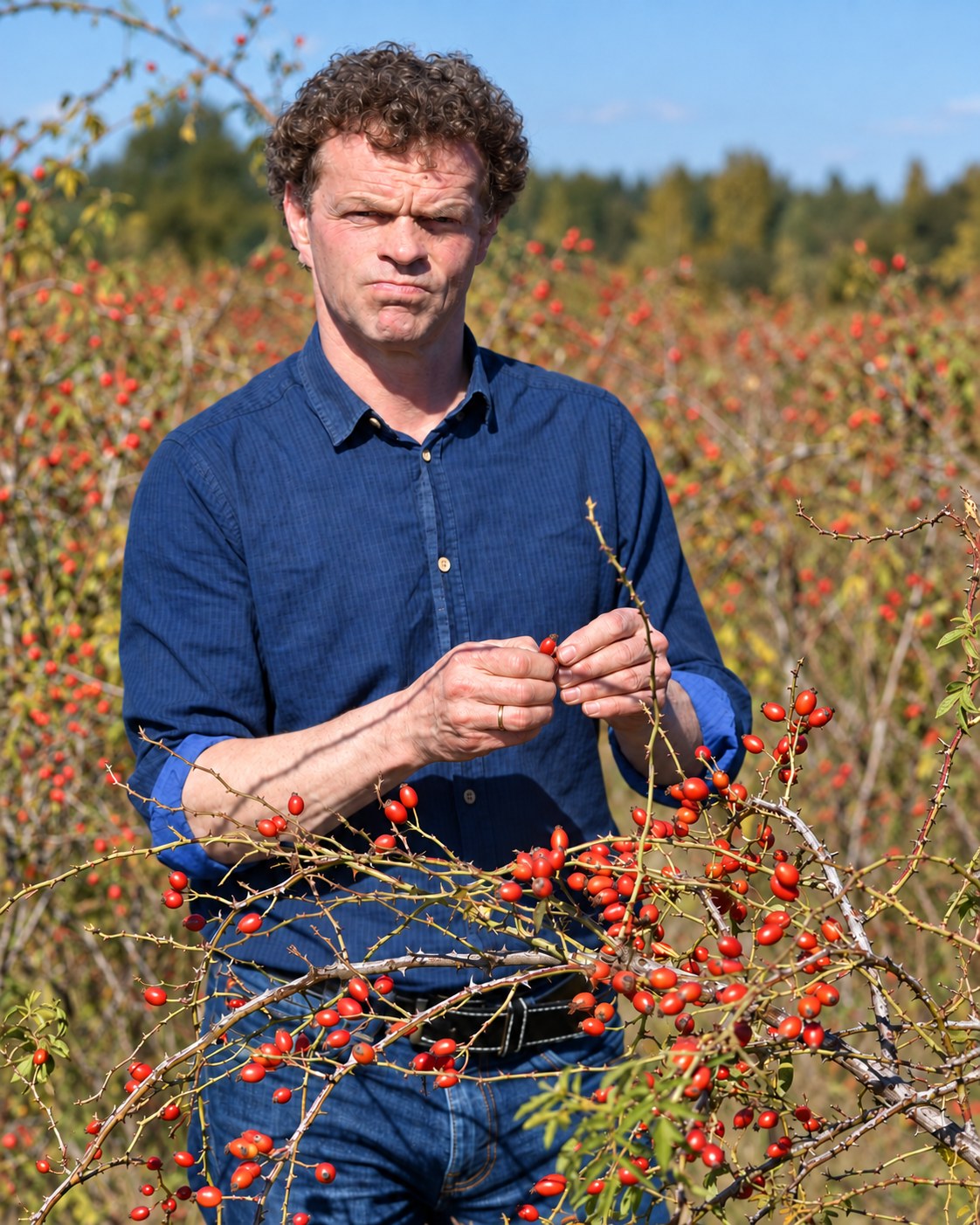
Supports confirmation that the tested plant material belongs to Rosa canina, helping distinguish it from other Rosa species.
The ITS2 sequence is catalogued in NCBI GenBank and can be consulted as a public reference rather than existing only within SUKO Nordic’s internal documentation.
Complements plantation-to-batch traceability and visual, chemical and production controls as part of a broader quality system.
DNA barcoding supports identity verification at species level. It does not, by itself, establish product purity, potency, clinical efficacy or overall quality. AP-4® variety-specific identification requires the separate targeted qPCR method developed by SUKO Nordic.
SUKO Nordic works with one selected and propagated DNA barcoding verified Rosa canina AP-4® variety. Its defined plant identity forms part of a broader approach to consistency, together with controlled cultivation, certified organic production, standardised processing and full plantation-to-batch traceability.
Explore the AP-4® Rosehip Story