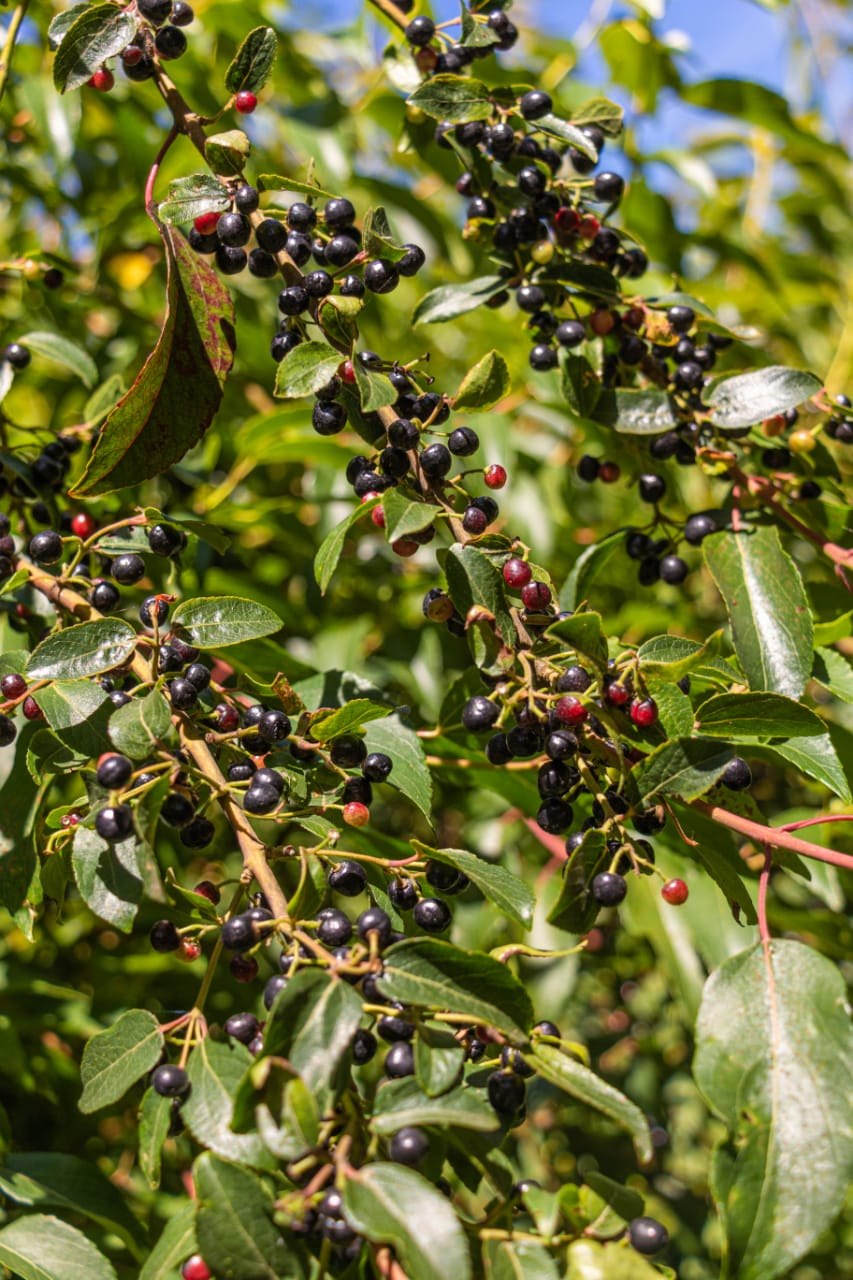
 Aristotelia chilensis · Southern Chile
Maqui is an evergreen tree native to Chile’s temperate south, celebrated for its small, near-black berries. For generations, Mapuche communities have pressed the fruit into juice, fermented it into wine, and used it as a natural dye, a heritage honoured here as history, not as clinical evidence.
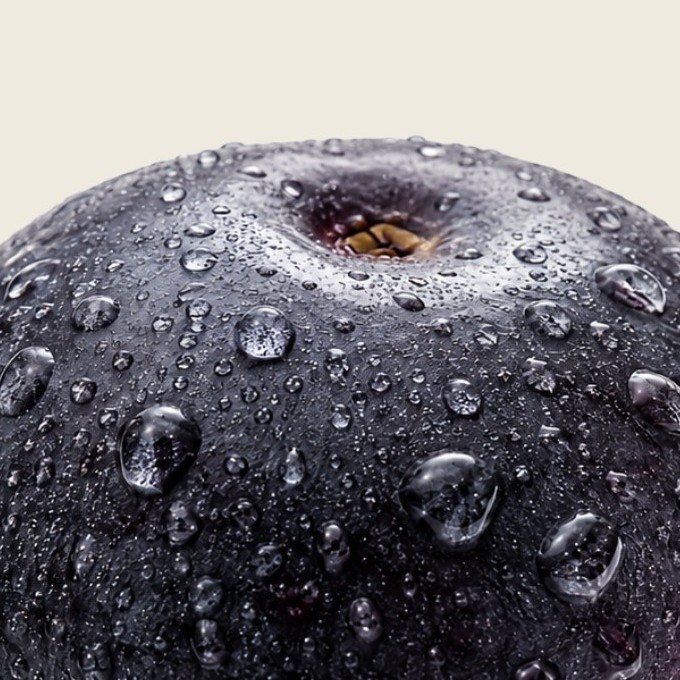
Anthocyanins are water-soluble pigments within the flavonoid family, responsible for the reds, purples and blues found across many fruits and vegetables. Maqui’s profile is notable for its concentration of delphinidin derivatives.
Refers to the anthocyanin fraction specifically, not 78% of the whole berry or powder, as measured in one analysed batch of dried maqui fruit (cyanidin derivatives measured at 22% in the same batch). A separate analysis of maqui berry powder found a closely comparable split (74%/26%).
Source: Brauch, J.E., Buchweitz, M., Schweiggert, R.M., & Carle, R. (2016). Detailed analyses of fresh and dried maqui (Aristotelia chilensis (Mol.) Stuntz) berries and juice. Food Chemistry, 190, 308–316. doi:10.1016/j.foodchem.2015.05.097 ↗
Also see: EFSA (European Food Safety Authority), 2019. Technical Report on the notification of powder or juice concentrate of berries of Aristotelia chilensis as a traditional food from a third country. EFSA Supporting Publication 2019:EN‑1685. doi:10.2903/sp.efsa.2019.EN-1685 ↗
The deep-purple fruit of Aristotelia chilensis.
A family of naturally occurring water-soluble pigments.
A characteristic group within maqui’s anthocyanin profile.
Content and composition, as analysed.
What may become available or detectable in circulation.
Content does not, by itself, establish absorption or biological effect. Whole berries, powders and concentrated extracts are not directly comparable.
Concept based on Sandoval-Ramírez et al., Nutrients (2024), doi:10.3390/nu16101403 ↗
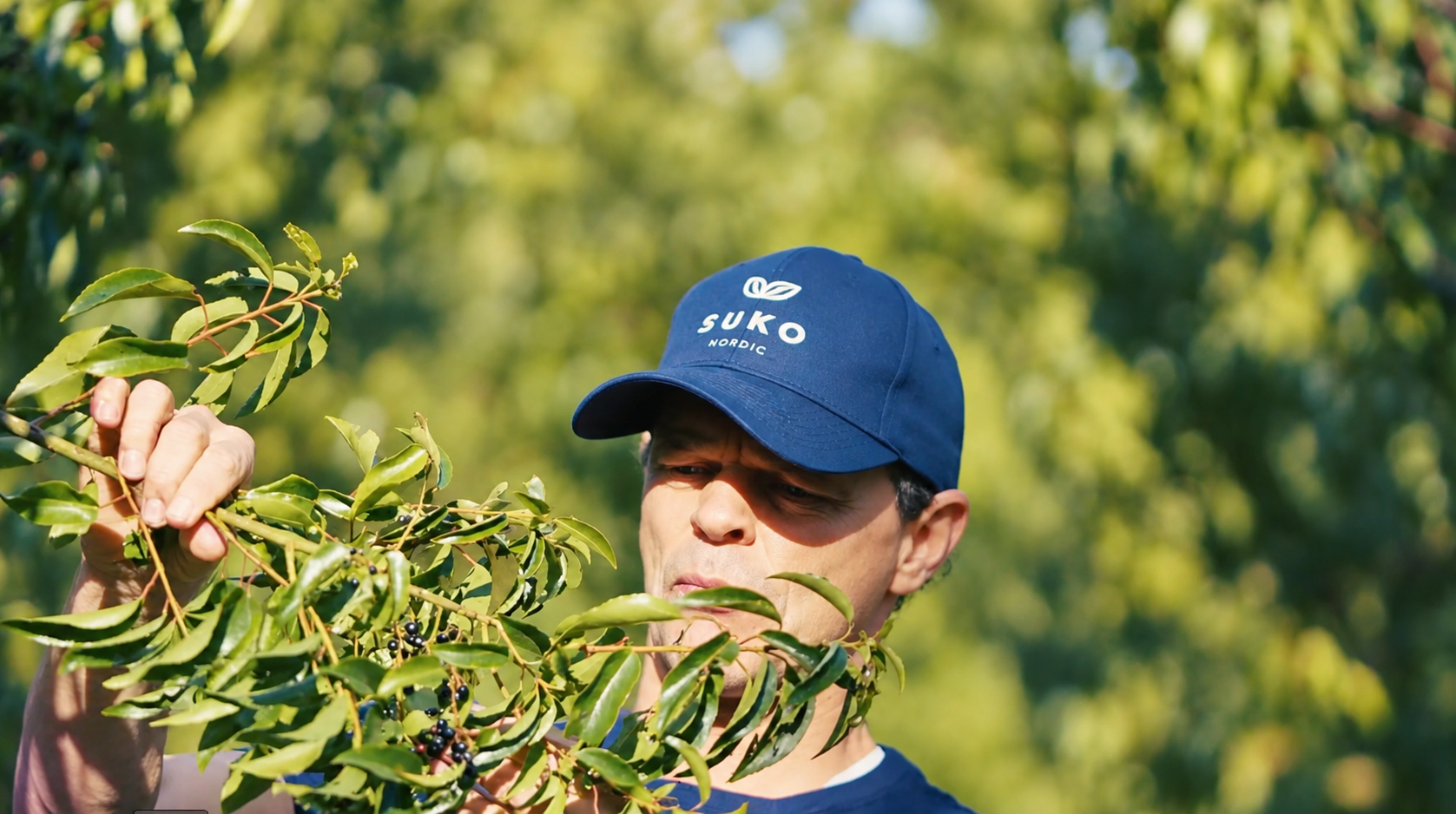
In MaquiPro®, certified organic, freeze-dried maqui berry powder is paired with Lactiplantibacillus plantarum 299 (DSM 6595) in a precisely defined formulation, developed and evaluated in clinical research conducted in collaboration with the University of Copenhagen. The findings have not yet been published, and no clinical outcome is stated or implied.
Research conducted in collaboration with the University of Copenhagen